For years, cloud computing has been the default answer for modern software systems. Need scalability? Cloud. Need speed to market? Cloud. Need reliability? Cloud.
And for many use cases, that’s still true.
But as applications move closer to the physical world—devices, sensors, video, real-time decision making—the limits of cloud-only architectures are becoming harder to ignore. Latency, data transfer costs, connectivity gaps, and regulatory constraints are forcing teams to rethink where computation actually belongs.
That’s where the edge vs. cloud computing conversation gets real.
This isn’t a trend debate or a vendor comparison. It’s a question of architecture, tradeoffs, and long-term consequences. Choose the wrong model early, and the costs tend to show up later—slowly, and expensively.
This post breaks down the real pain points of cloud computing and edge computing, where each model works best, and how teams design systems that balance both.
What Cloud Computing Is Actually Good At
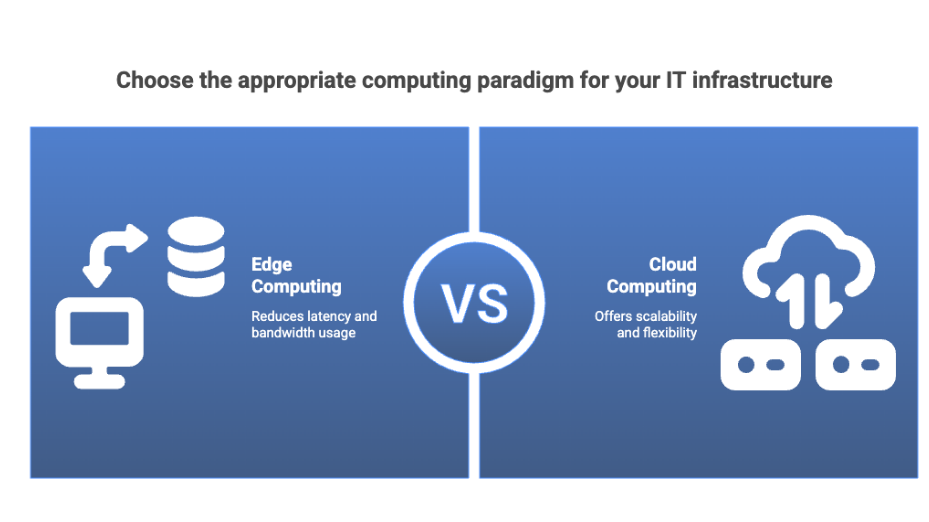
Cloud computing centralizes computation in large data centers and wraps it in managed services. That centralization is its superpower.
It works especially well when systems benefit from having everything in one place — shared data, global coordination, analytics, and workloads that scale up and down unpredictably.
This is why cloud-first architectures still make sense for SaaS platforms, internal tools, analytics pipelines, and most early-stage products. The operational overhead is lower. The tooling is mature. The ecosystem is deep.
For teams building these systems, the biggest wins usually come from architectural discipline, not infrastructure novelty.
Where Cloud-Only Architectures Start to Fray
The problems with cloud computing usually don’t show up on day one. They appear gradually, once systems grow or expectations change.
Latency becomes noticeable, especially when users or devices are far from a region. Data transfer costs creep upward as more raw data gets shipped upstream. Systems assume constant connectivity — and then behave badly when it disappears.
None of this means the cloud is “bad.” It means centralized systems have limits.
Teams try to patch around those limits with CDNs, regional deployments, caching layers, and smarter pipelines. Those techniques help, but they don’t change the underlying physics. Every round trip still takes time. Every byte still costs money.
At some point, the question stops being “How do we optimize the cloud?” and becomes “Why is this data going there at all?”
That’s usually when edge computing stops sounding theoretical.
What Edge Computing Changes (And What It Doesn’t)
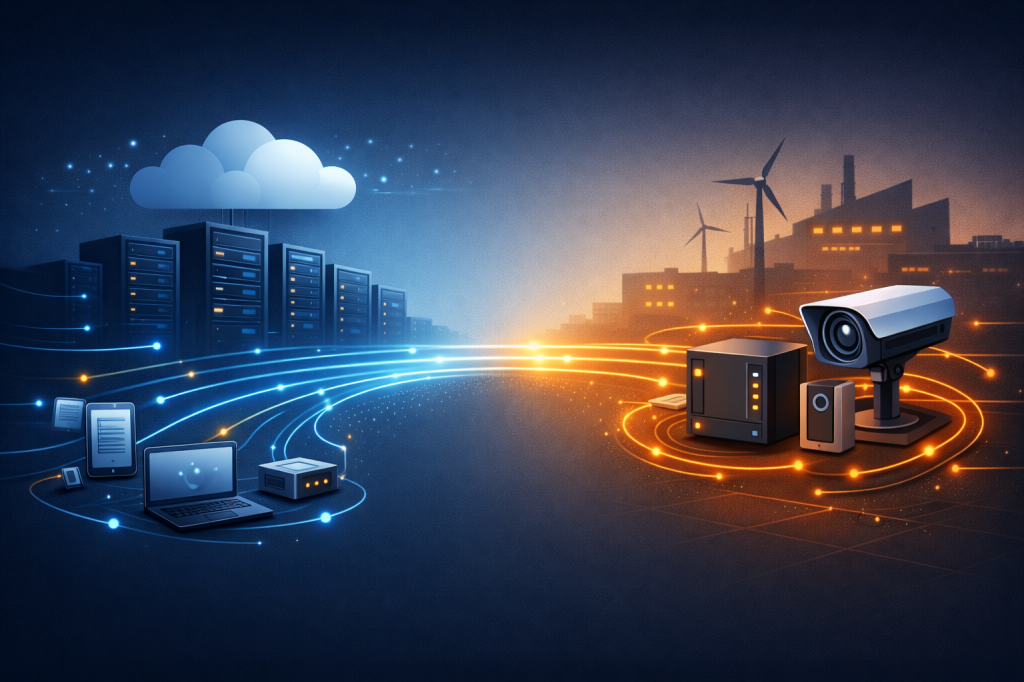
Edge computing shifts certain workloads closer to where data is generated. Sometimes that’s a factory floor. Sometimes it’s a retail store. Sometimes it’s a device sitting on a moving vehicle.
Instead of sending everything to a distant data center, the system processes data locally and makes decisions immediately. Only a subset of that data — filtered, summarized, or aggregated — ever reaches the cloud.
That one change has cascading effects.
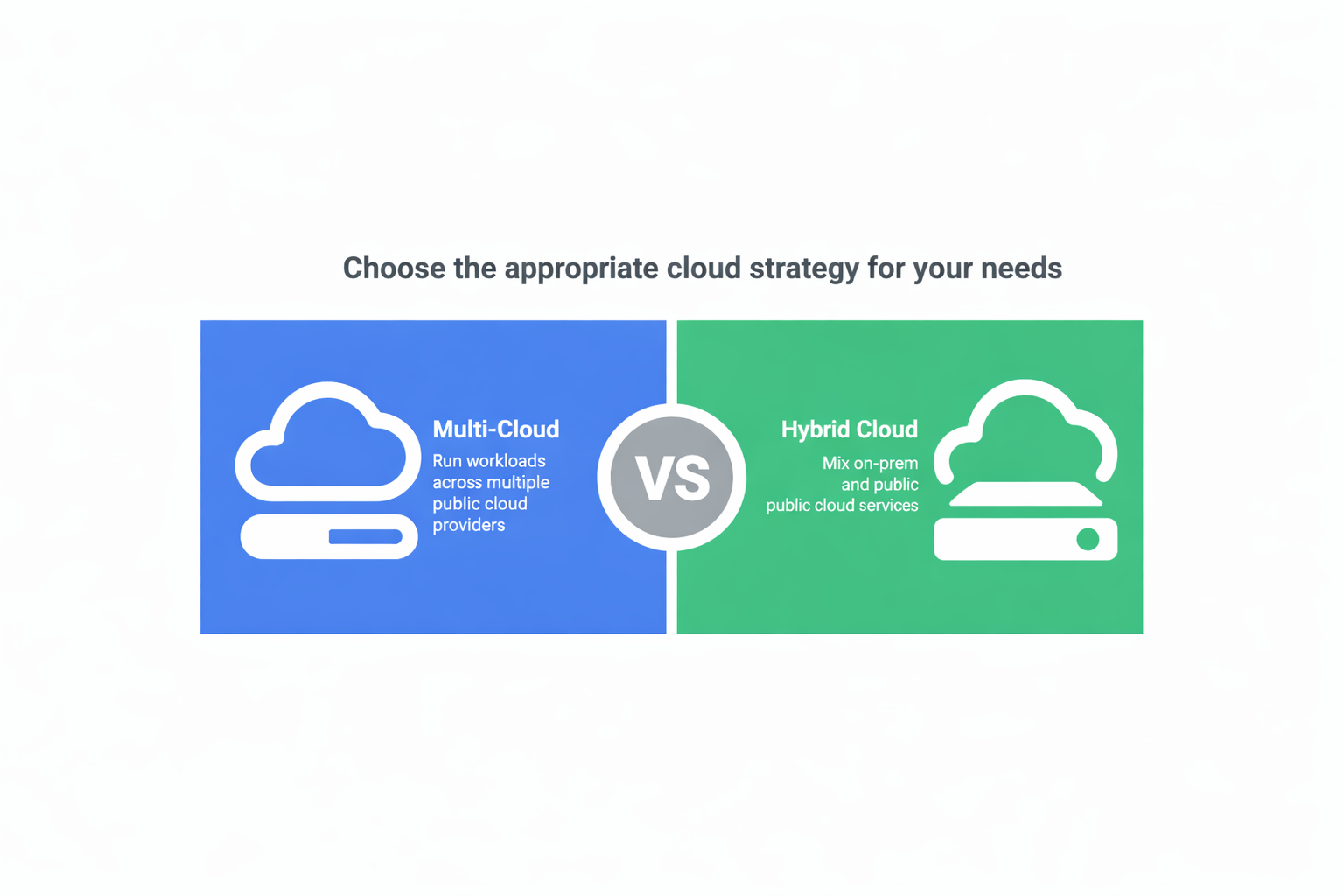
Latency drops because decisions happen locally. Bandwidth costs fall because less raw data moves across the network. Systems keep functioning when connectivity gets flaky.
This is why edge computing shows up in industrial IoT, video analytics, robotics, healthcare devices, and retail environments. In those contexts, waiting on a cloud round-trip simply isn’t acceptable.
But edge computing isn’t free.
Distributed systems are harder to operate. Devices fail. Software updates need coordination. Security assumptions change when hardware lives outside a data center.
Teams that underestimate this complexity usually regret it. This is where modernization strategy matters more than technology choice.
👋 Not sure whether edge, cloud, or hybrid makes sense for your system?
Tell us what you’re building and where performance or reliability matters most. We’ll help you map the right architecture.
Trusted by tech leaders at:



A Practical Comparison
The Part Nobody Likes to Admit
Most teams don’t actually choose between edge computing and cloud computing.
They end up with both.
The edge handles things that need to happen now. The cloud handles things that benefit from scale, history, and coordination.
Edge nodes filter data, run inference, and keep systems responsive. Cloud platforms aggregate results, train models, manage configuration, and provide visibility across the fleet.
This split isn’t ideological. It’s practical.
Systems that start cloud-only often drift toward the edge as they scale. Systems that start edge-heavy almost always rely on the cloud for orchestration and analytics.
Hybrid architectures aren’t a compromise. They’re the natural outcome of real constraints.
When Cloud Is Still the Right Default
Cloud-first makes sense when latency isn’t critical, connectivity is stable, and workloads fluctuate. It’s also the fastest way to get from idea to production.
That’s why most teams should still start there.
The mistake isn’t choosing the cloud. The mistake is assuming you’ll never need anything else.
When Edge Stops Being Optional
Edge computing becomes unavoidable when delays matter, networks can’t be trusted, or data volumes explode. In those cases, pushing everything to the cloud isn’t just inefficient—it breaks the system.
At that point, edge computing isn’t an optimization. It’s a requirement.
The Real Questions to Ask
Instead of asking “edge or cloud,” better questions tend to be:
- What happens when the network goes away?
- How fast does this system need to react?
- How much data are we generating?
- Where is this data allowed to live?
- How much operational overhead can we absorb?
Those answers usually point to a hybrid design, whether teams plan for it or not.
Edge computing vs cloud computing isn’t a rivalry. It’s a division of responsibility.
The cloud remains the backbone.
The edge handles reality.
Teams that treat this as a tooling decision struggle later. Teams that treat it as architecture usually sleep better a few years down the line.
If you’re evaluating an existing system or planning what comes next, Curotec helps teams design cloud, edge, and hybrid architectures grounded in real constraints—not vendor hype. Talk to Curotec.